Kevin Keegan Legendary Career Family And Football Legacy Revealed
The Powerful Story of an English Football Player and Manager

Introduction
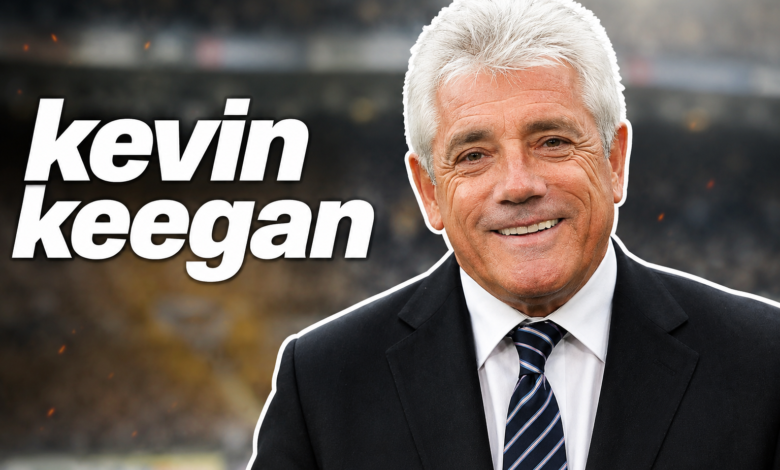
Kevin Keegan was one of the most recognizable figures in English football, combining exceptional talent as a player with an influential career as a manager. From his early days in South Yorkshire to becoming a Liverpool hero, European star, England captain and celebrated Newcastle United manager, his journey was filled with remarkable achievements, dramatic moments and unforgettable memories.
Known affectionately as “King Kev,” Keegan became famous for his energy, determination and attacking style. His career also had difficult periods, particularly during management, but those challenges never erased the enormous impact he made on English football. His story remains an important part of the history of the sport.
Quick Bio
| Category | Details |
|---|---|
| Full Name | Joseph Kevin Keegan |
| Date of Birth | 14 February 1951 |
| Birthplace | Armthorpe, near Doncaster, England |
| Nationality | English |
| Profession | Footballer and Manager |
| Position | Forward / Attacking Midfielder |
| England Caps | 63 |
| England Goals | 21 |
| Major Clubs | Scunthorpe United, Liverpool, Hamburg, Southampton, Newcastle United |
| Major Management Roles | Newcastle United, Fulham, England, Manchester City |
| Ballon d’Or Wins | 1978 and 1979 |
| Wife | Jean Keegan |
| Children | Laura and Sarah |
Early Life and Family Background
Kevin Keegan was born on 14 February 1951 in Armthorpe, a village near Doncaster in South Yorkshire. He grew up in a working-class family and developed a passion for football during his childhood. His father, Joe, had served during the war and later worked as a miner, while his mother was named Doris.
Football became a major part of Keegan’s life from an early age. Although he was not initially considered physically imposing, his determination and natural ability helped him overcome doubts about whether he could succeed at the highest level.
His early experiences helped shape the competitive personality that later became one of his defining characteristics. Rather than allowing setbacks to stop him, Keegan used them as motivation to continue improving.
Beginning His Professional Football Career
Keegan began his senior football journey with Scunthorpe United in 1968. His performances attracted attention, and his progress eventually brought him to Liverpool in 1971.
The move to Liverpool represented a major turning point. Under manager Bill Shankly, Keegan developed into a high-level attacking player and quickly became an important part of the team.
His movement, finishing ability and willingness to work hard made him particularly valuable. He could score goals, create opportunities and contribute to the team’s overall attacking play.
Kevin Keegan at Liverpool
Keegan’s Liverpool career remains one of the strongest chapters of his football story. Between 1971 and 1977, he made 323 appearances for the club and scored 100 goals.
During this period, Liverpool became one of the dominant teams in English and European football. Keegan played an important role in the club’s success and helped Liverpool win three First Division titles, two UEFA Cups, the FA Cup and the European Cup.
His partnership with other Liverpool stars helped create a team capable of competing successfully on multiple fronts. Keegan’s performances also established him as one of England’s leading footballers.
Leaving Liverpool in 1977 was a major decision, but it opened the door to another extraordinary chapter of his career.
Hamburg and Ballon d’Or Glory
In 1977, Keegan moved to Hamburg in Germany. The transfer introduced him to a different football culture and a new style of competition.
His impact was immediate and significant. Keegan became a major figure in German football and helped Hamburg win the Bundesliga during the 1978–79 season.
His individual performances were equally impressive. He won the Ballon d’Or in 1978 and again in 1979, becoming the first Englishman to win the prestigious award twice.
These achievements transformed Keegan from a Liverpool star into an international football icon. His success in Germany demonstrated that English players could also excel at the highest level outside England.
Southampton and Return to England
After his successful spell in Germany, Keegan returned to England in 1980 and joined Southampton. He continued to perform at a high level and remained an important attacking player.
His influence extended beyond goals and assists. Keegan brought leadership, experience and enthusiasm to the teams he represented.
In 1982, he joined Newcastle United. His arrival created enormous excitement among supporters, and he quickly became one of the club’s most popular players.
Keegan scored 48 goals in 78 appearances for Newcastle and helped the club achieve promotion to the top division in 1984.
England Career
Keegan’s international career was another important part of his legacy. He represented England 63 times and scored 21 goals.
He also served as England captain on numerous occasions. His international career came during a period when England struggled to reproduce some of the success enjoyed by the country’s leading clubs.
Despite the team’s difficulties, Keegan remained a respected international figure. His determination and professionalism made him an influential presence for England.
His status as a Ballon d’Or winner also placed him among the most celebrated English footballers of his generation.
Kevin Keegan as a Manager
After retiring as a player, Keegan successfully moved into management. His first major managerial success came at Newcastle United.
He took charge of Newcastle in the early 1990s and helped transform the club. Under his leadership, Newcastle won promotion to the Premier League and quickly developed into one of the competition’s most entertaining teams.
The 1995–96 season became particularly memorable. Newcastle challenged for the Premier League title, producing exciting attacking football and capturing national attention.
Keegan later managed Fulham, England and Manchester City. At Manchester City, he helped the club earn promotion to the Premier League after an outstanding campaign.
His management career was not always smooth, however. His second spell at Newcastle in 2008 ended after disagreements concerning the club’s football structure. Nevertheless, his achievements as a manager remain an important part of his story.
Career Timeline
1968 – Scunthorpe United
Keegan began his professional career with Scunthorpe United.
1971 – Liverpool
He joined Liverpool and became an important part of the club’s successful era.
1977 – Hamburg
Keegan moved to Germany and established himself as an international football superstar.
1978 and 1979 – Ballon d’Or
He won the Ballon d’Or twice in consecutive years.
1980 – Southampton
He returned to English football with Southampton.
1982 – Newcastle United
Keegan joined Newcastle and became a hugely popular player.
1984 – Promotion
He helped Newcastle return to the top division.
1992 – Newcastle Manager
Keegan began his influential managerial career at Newcastle.
1999 – England Manager
He became manager of the England national team.
2001 – Manchester City
He took charge of Manchester City and helped the club return to the Premier League.
Personal Life and Family
Kevin Keegan married Jean Keegan, and they had two daughters, Laura and Sarah. His family remained an important part of his private life throughout his football career.
Although football placed him constantly in the public spotlight, Keegan also valued life away from the pitch. In later years, he spent significant time enjoying a quieter lifestyle.
His family was especially important during his later years, when he faced serious health challenges. He died on 20 July 2026 at the age of 75.
Personality and Public Image
Keegan became famous not only for his football ability but also for his distinctive personality. He was energetic, emotional and highly competitive.
Supporters often appreciated his passion because he appeared genuinely invested in the clubs he represented. His expressive personality also produced memorable moments during his managerial career.
One of the most famous examples came during Newcastle’s 1995–96 title challenge, when his emotional comments about Manchester United manager Alex Ferguson became a defining Premier League moment.
His personality sometimes attracted criticism, but it also helped make him one of English football’s most recognizable personalities.
Achievements and Legacy
Keegan’s list of achievements places him among the outstanding English football figures of his era. He won major domestic trophies with Liverpool, succeeded in Germany with Hamburg and twice received the Ballon d’Or.
His career also demonstrated remarkable versatility. He was successful as a player in England and Germany before moving into management.
His influence at Newcastle was particularly powerful. Supporters continue to associate him with an exciting period in the club’s history, while Liverpool fans remember him as an important member of one of the club’s greatest generations.
The negative moments of his career, including difficult managerial periods, are part of the story too. They show that even highly successful football figures can face pressure, disagreement and disappointment.
Kevin Keegan’s Final Years
In 2026, news emerged that Keegan had been dealing with serious cancer. His condition brought renewed attention to his extraordinary career and the affection many football supporters had for him.
Keegan died on 20 July 2026, aged 75. His family was with him during his final moments.
His death marked the end of an era for English football. Few players from his generation achieved such success in both domestic and international football while also building a major reputation as a manager.
Conclusion
Kevin Keegan’s life was much more than a collection of football statistics. He represented ambition, determination, entertainment and passion. From a young player at Scunthorpe to a Liverpool champion, European superstar, Ballon d’Or winner, England captain and influential manager, his journey crossed several important periods in football history.
His achievements will remain closely connected with Liverpool, Hamburg, Newcastle United, England and Manchester City. While his career included both triumphs and difficult moments, the overall impact of Kevin Keegan on English football is undeniable.
Frequently Asked Questions
1. What was Kevin Keegan’s full name?
Kevin Keegan’s full name was Joseph Kevin Keegan.
2. When and where was Kevin Keegan born?
He was born on 14 February 1951 in Armthorpe, near Doncaster, England.
3. Who was Kevin Keegan’s wife?
Kevin Keegan was married to Jean Keegan.
4. How many children did Kevin Keegan have?
He had two daughters, Laura and Sarah.
5. How many times did Kevin Keegan win the Ballon d’Or?
He won the Ballon d’Or twice, in 1978 and 1979.
6. How many England caps did Kevin Keegan earn?
Keegan earned 63 England caps and scored 21 international goals.
7. Which club did Kevin Keegan manage during the famous 1995–96 title challenge?
He managed Newcastle United during the memorable 1995–96 Premier League title challenge.
8. When did Kevin Keegan die?
Kevin Keegan died on 20 July 2026 at the age of 75.
This version is formatted as a single clean article box and keeps the article free of external links.